Peak Name
Elevation
feet
Status
Region
Range
Nearby peaks
Location
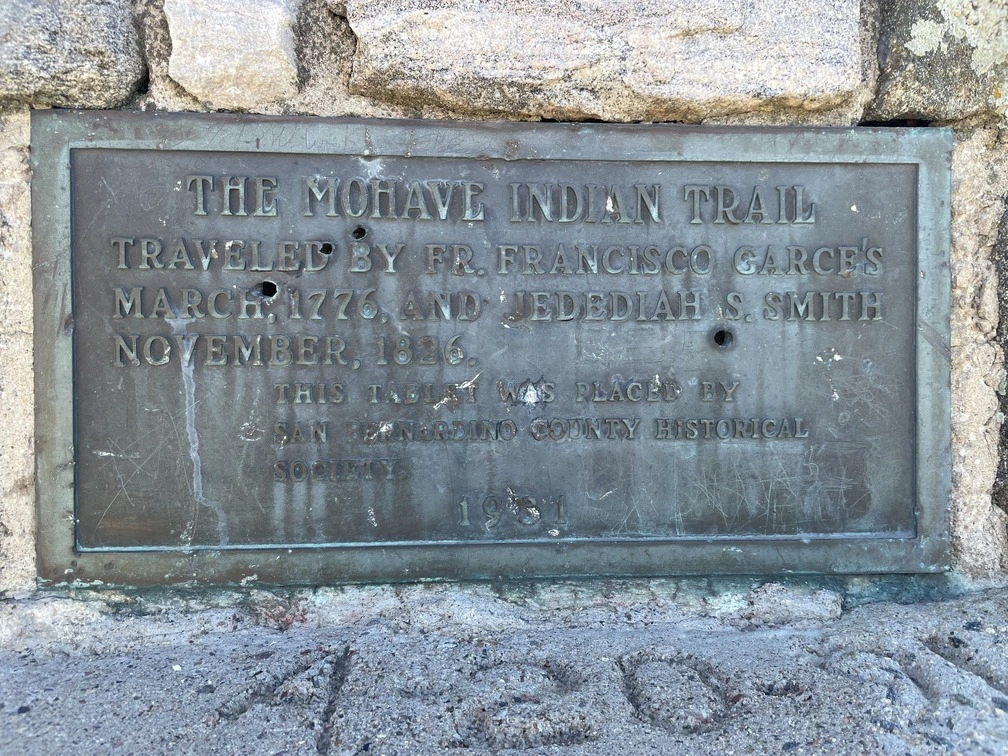
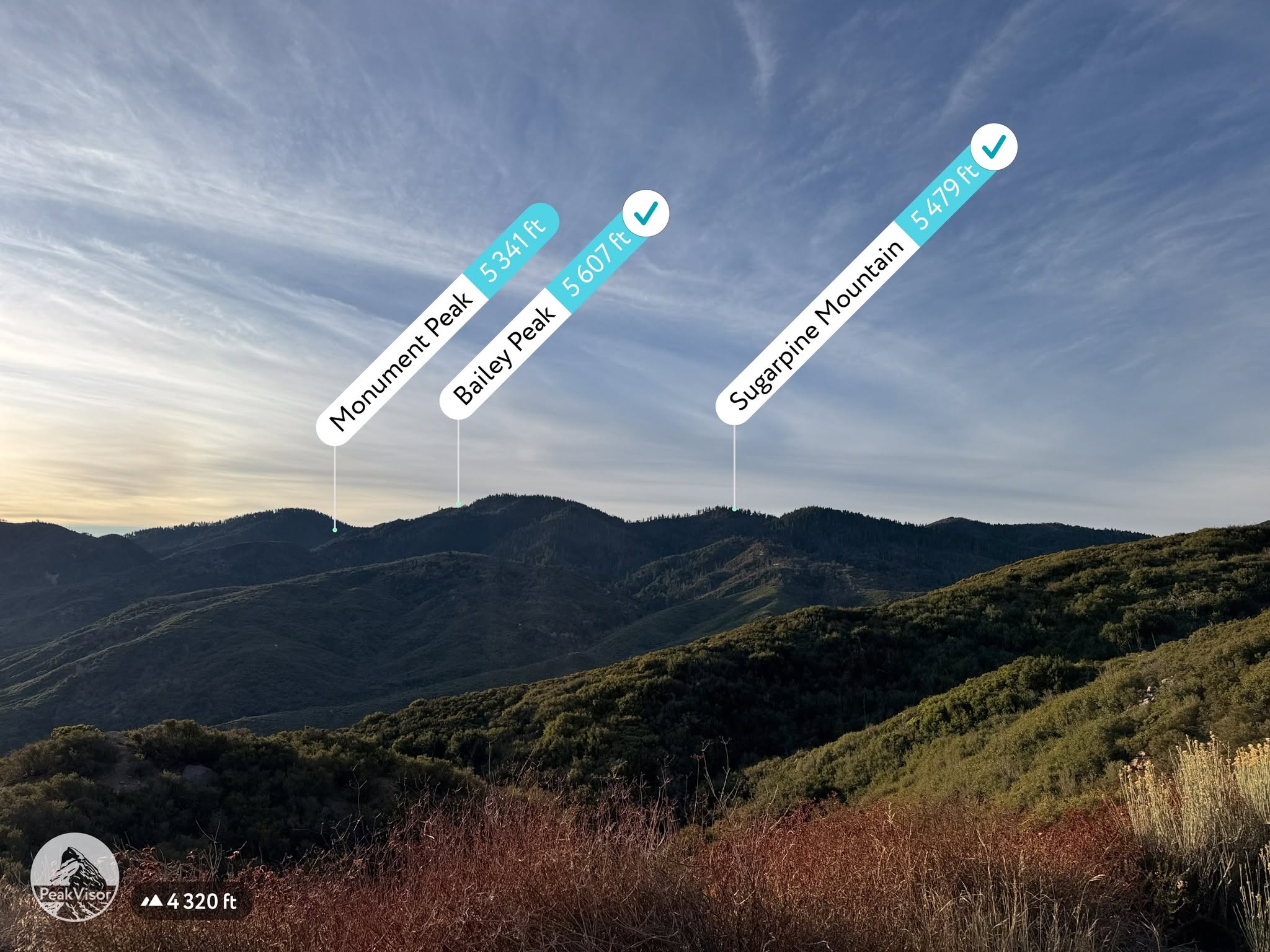
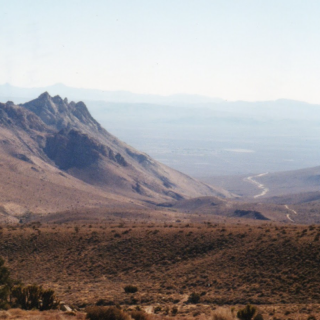
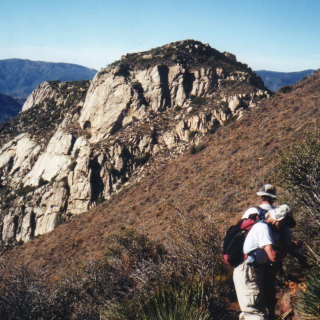
This peak was named by the San Bernardino Historical Society in 1931 when it placed a monument to recognize the expedition of Juan Bautista de Anza (1735-88) on what became known as the Old Spanish Trail and later the Mojave Indian Trail. The expedition passed through this area and climbed the peak in 1776. The views from the peak were described by Father Francisco Garcés of the expedition in his diary. It is usually hiked in combination with nearby Cajon, Sugarpine and Bailey.
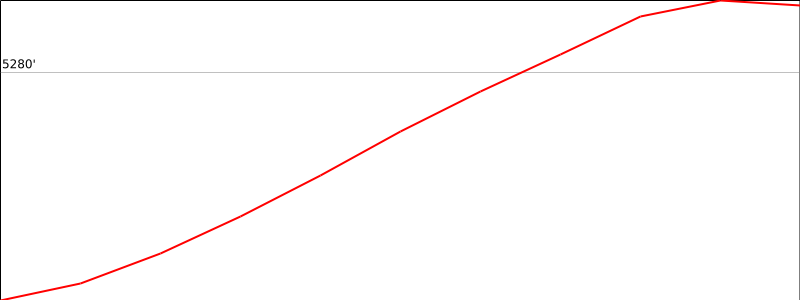
Route 1 is a drive-up at the end of a long drive on rough high clearance road. The roads are closed seasonally. It can also be hiked on Forest Service road from the east.
Maps generated from CalTopo.com, reproduced with permission
Driving route
Drive east on I-10 to I-15, then north on I-15 to SR 138. Turn right (east).
Go 8.0 miles to the junction with SR 173 on the left near Lake Silverwood. Keep straight on SR 138.
Drive another 2.6 miles and exit on Cleghorn Road (2N49). This is also the main entrance to Lake Silverwood. At the bottom of the off-ramp, turn right on 2N49. Note your odometer and go as follows:
At 0.8 mile, pavement ends.
At 2.4 miles, fork. Go right.
At 4.0 miles, Cleghorn Pass and a hairpin turn at two water tanks.
At 6.3 miles, Cajon Lookout road fork on the right. This is the parking spot for Cajon Mountain. Keep left.
At 8.7 miles, fork in a saddle. This is the parking spot for Sugarpine Mountain.
At 9.4 miles, fork. Go right.
At 9.9 miles, fork. Go left.
At 11.4 miles, fork at a shallow saddle. Park here.
Hiking route
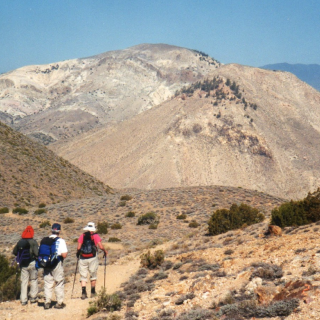
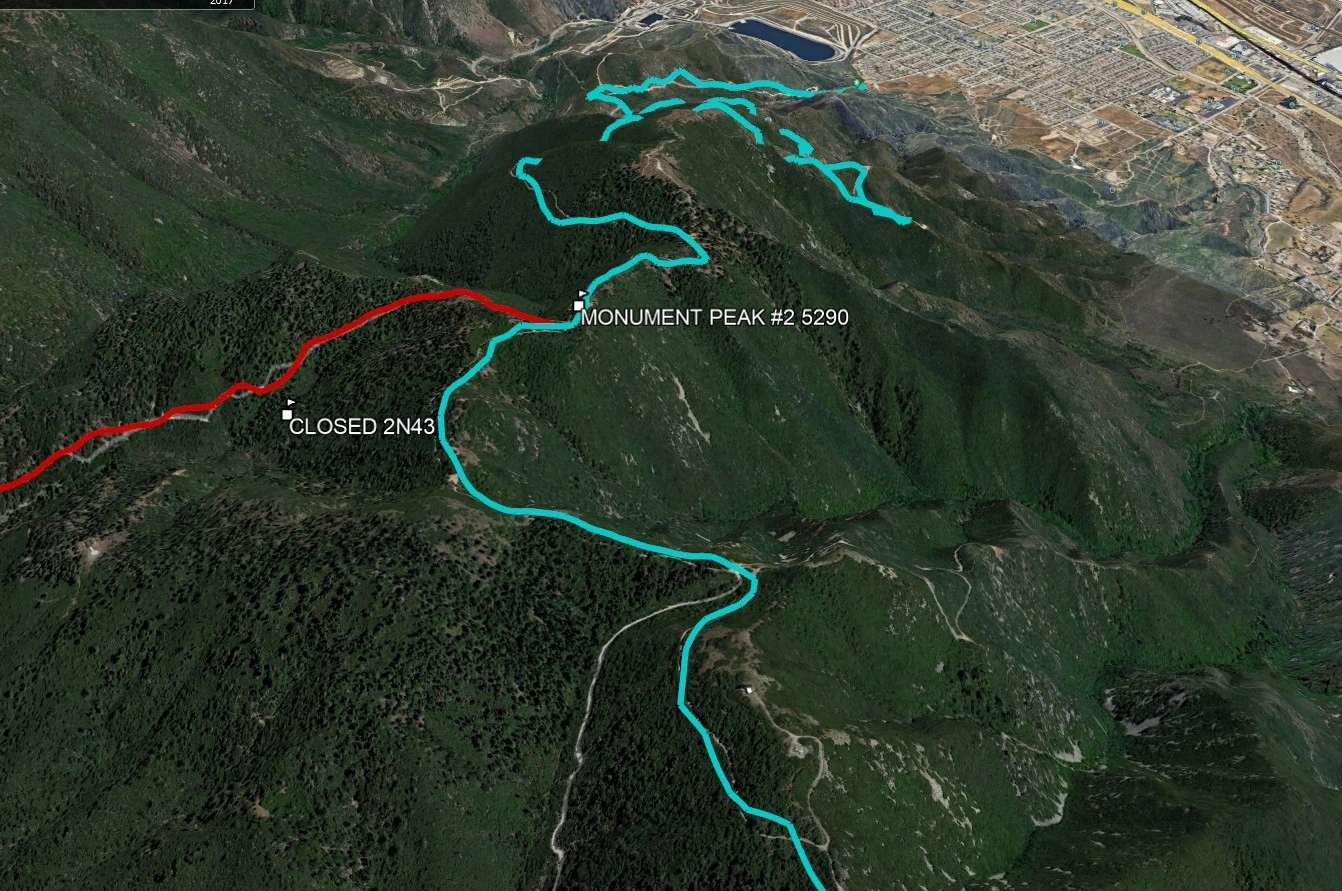
From the parking area, hike west up a short road to the summit, where there is a monument which honors Father Garces, the first white man to cross the San Bernardino Mountains.
Additional Peak Information
Special conditions: The dirt roads are seasonal.
Point of interest: Running beneath your feet just east of this point is the tunnel bringing water from the California Aqueduct (which has come all the way from north of San Francisco) to the eastern Los Angeles basin. Its storage and distribution point to the south is Lake Matthews, south of Riverside.


You must be logged in to upload images.