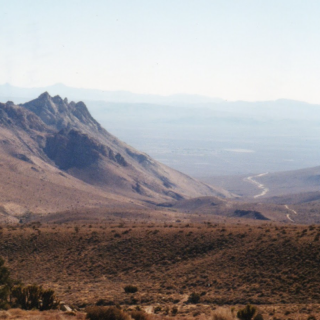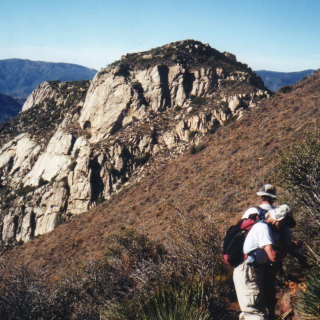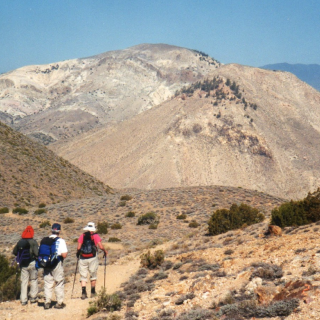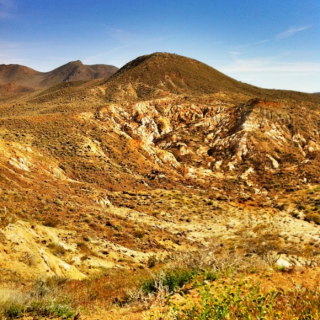
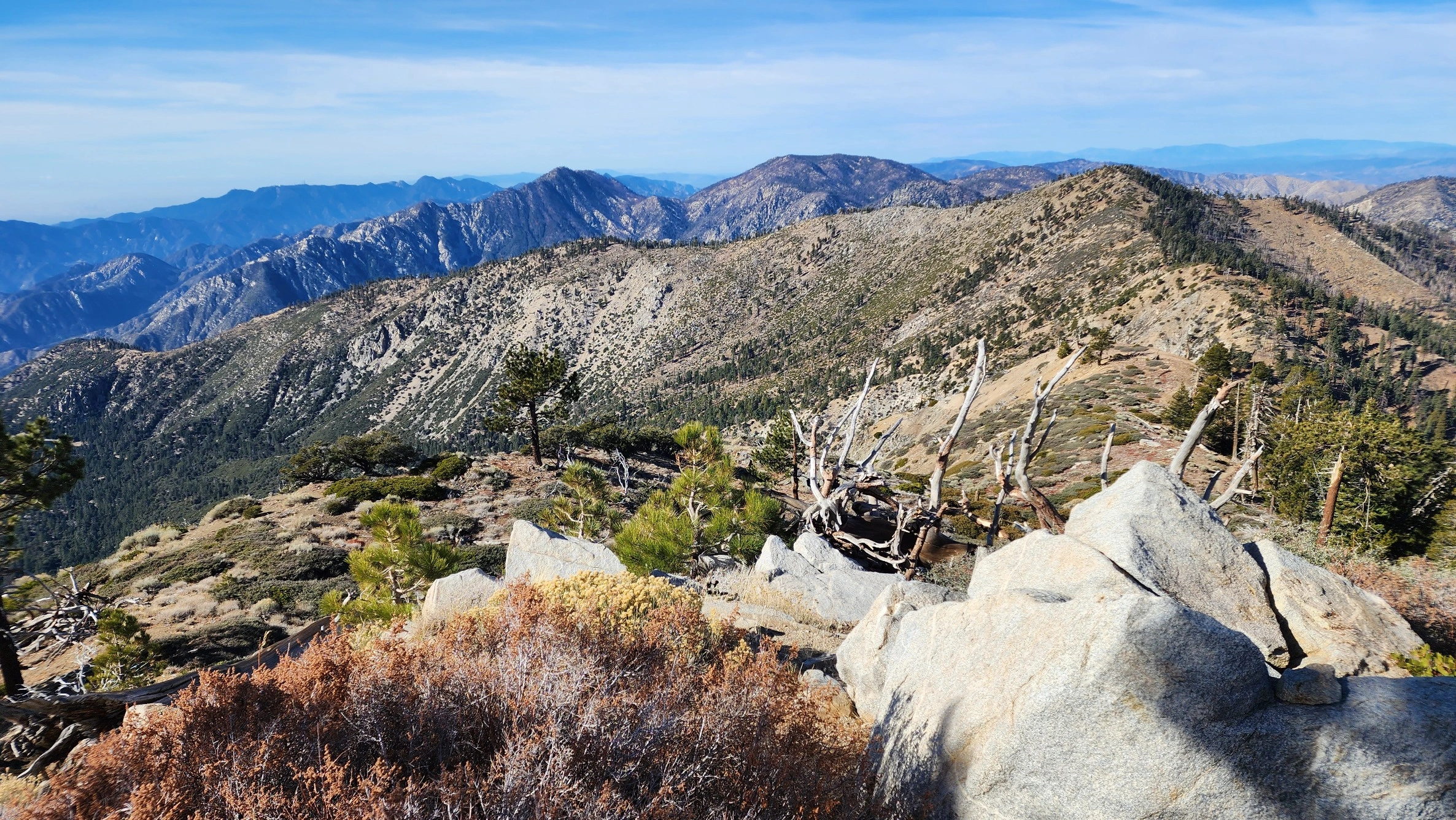
Mount Islip

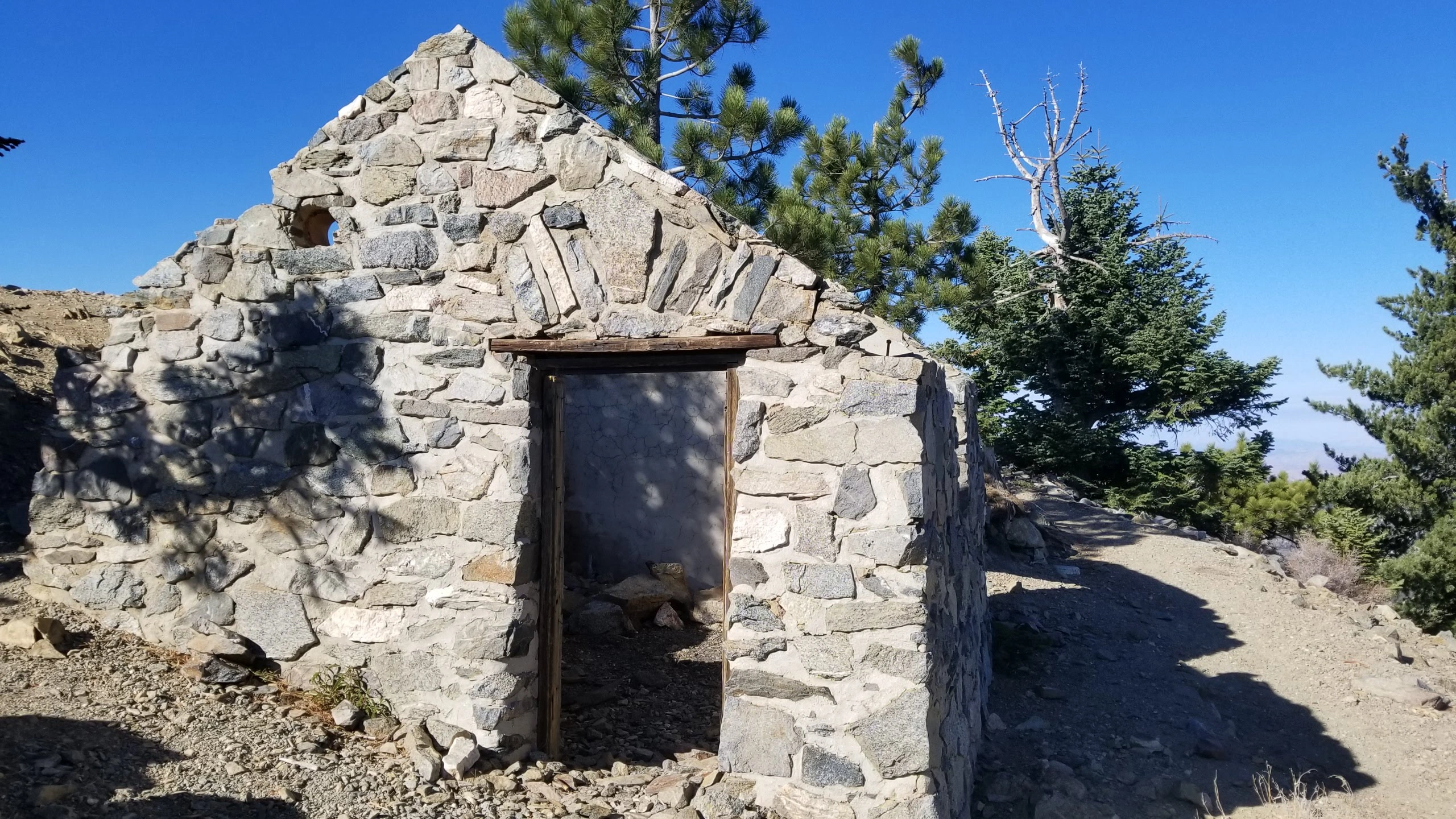
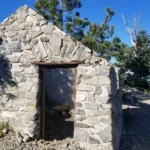
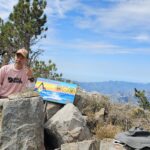
Rock Cabin on Mount Islip, Photo by Chris Waldheim.

Peak Name

Mount Islip
14C

Elevation

8250

 feet

Status

active

Region

South Of Angeles Crest Hwy 2

Range

San Gabriel Mountains

Location

34.3450005,-117.8397841

Description

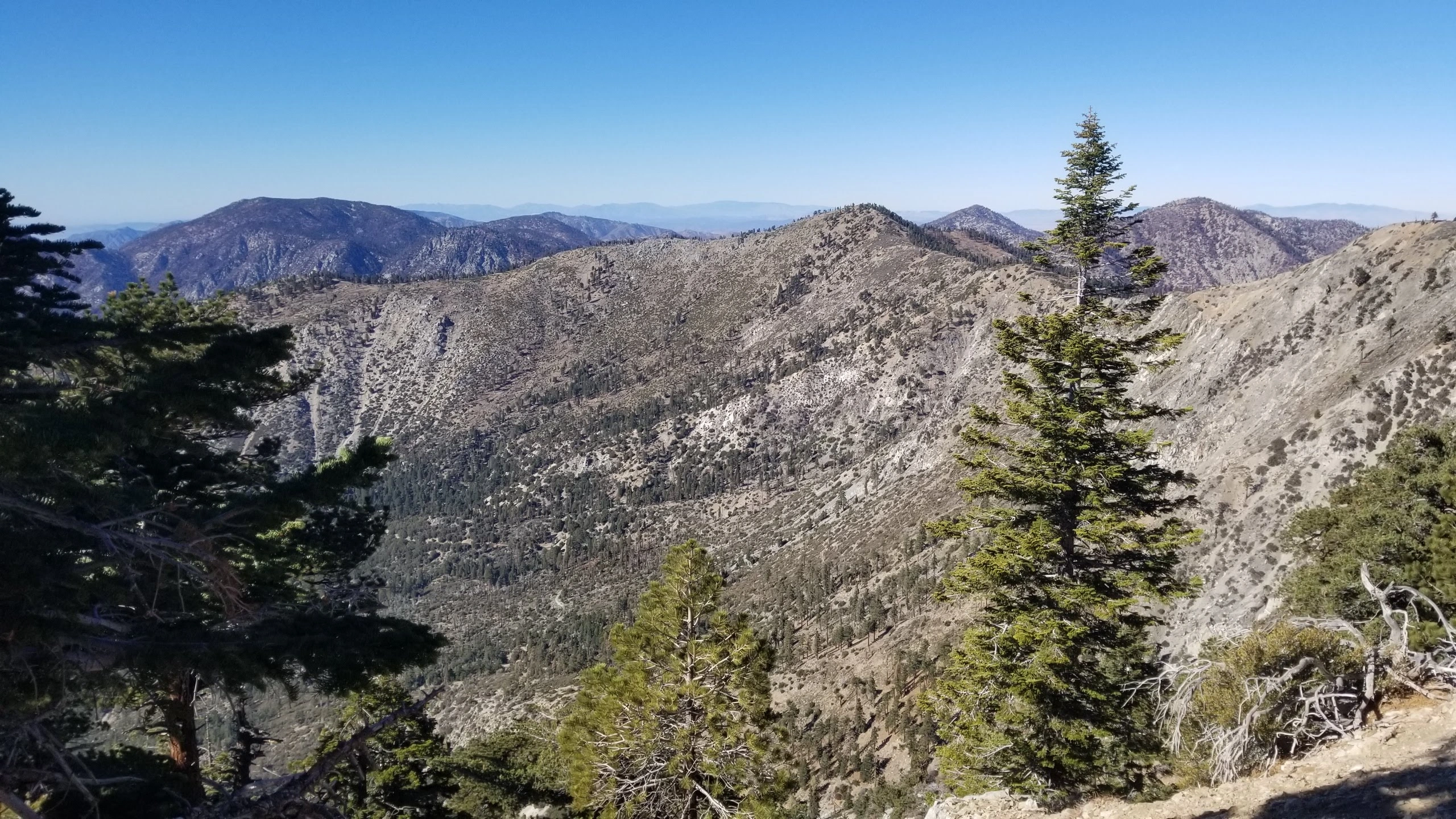
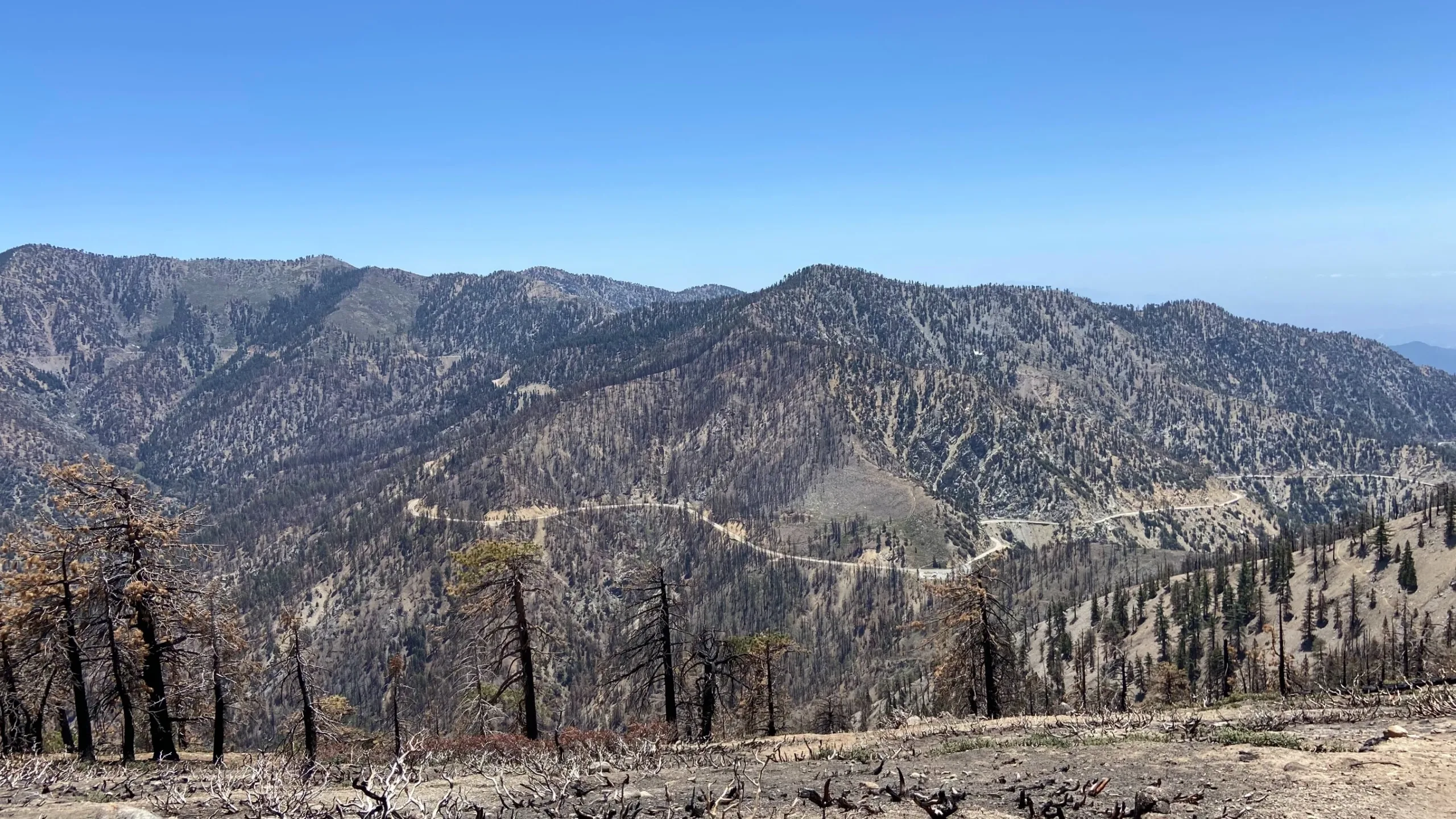
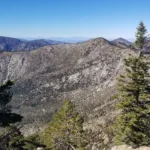
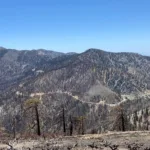
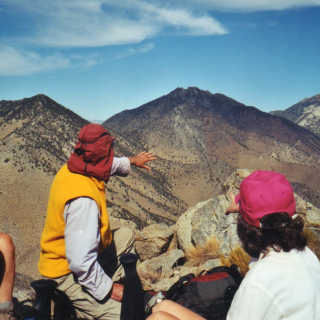
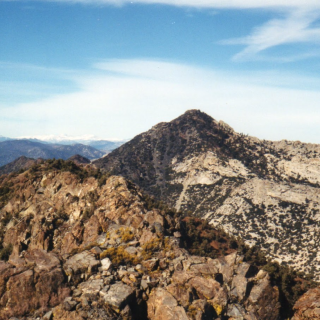
Mount Islip was named for the Canadian George Islip who homesteaded in the area. A large mound of rocks set up by Occidental College students in 1909 was removed to make way for a fire lookout tower. Though only the lookout caretaker’s cabin ruins remain of this once active lookout, hikers are still rewarded with an abundance of striking summit views.

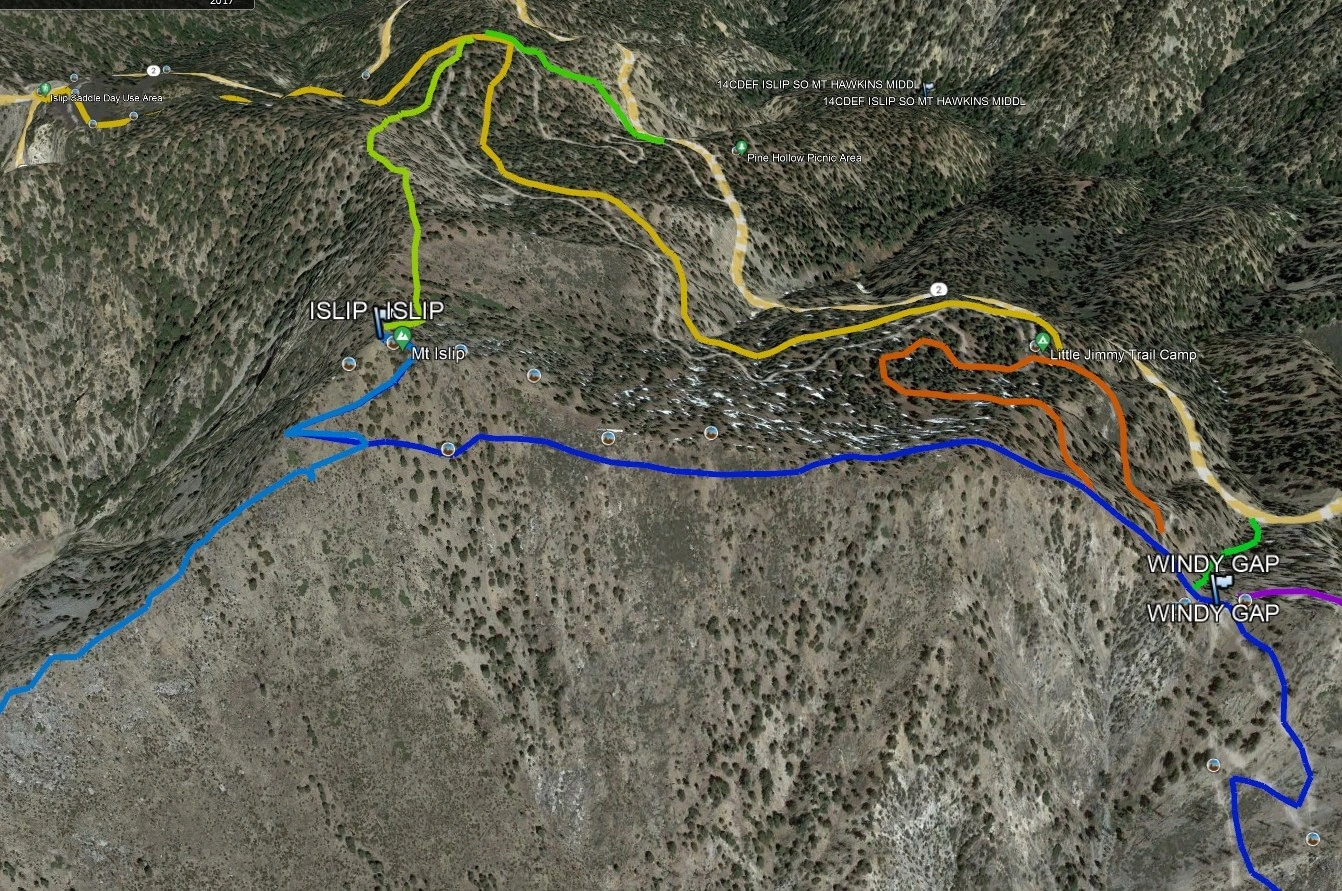
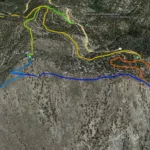
Route 1, from Islip Saddle, is the primary trail most hikers use to get to the summit. It is possible to follow a use trail up the western ridge to the top. Route 2 follows a canyon trail up to Windy Gap and then to the top. Route 3 starts in Crystal Lake and this route requires much more elevation gain, but it gives the opportunity to turn the hike into a great loop.

Maps generated from CalTopo.com, reproduced with permission

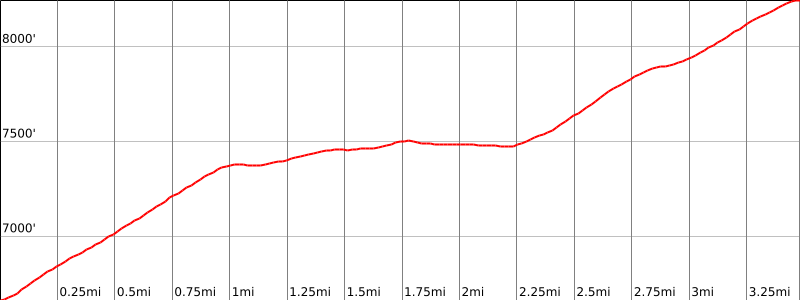
Route 1- From Islip Saddle
Elevation Gain
1600′
Navigation Difficulty
Easy
Distance
6 1/2 miles round trip on trail
Estimated time
3 1/2 hours round trip
Route Rating
Class 1, moderate
Leader Rating Required
O

Driving route

From the intersection of I-210 and Angeles Crest Highway (SR 2), drive 39.5 miles on Angeles Crest Highway to Islip Saddle (mile marker 64.1). Park here.

Hiking route

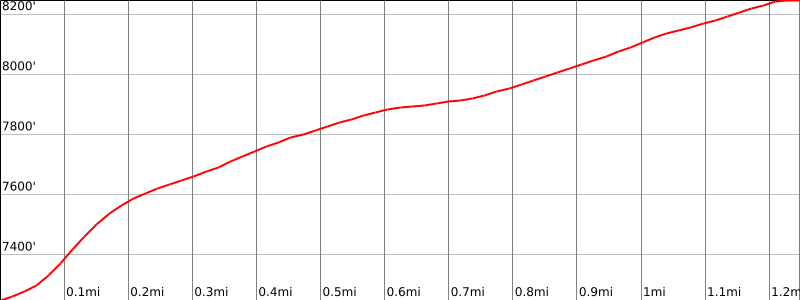
From the parking area (6680′), hike across the Angeles Crest Highway to the Pacific Crest Trail (PCT).
Hike up the PCT, past Little Jimmy Campground to Windy Gap.
Turn right at Windy Gap and follow the trail up to a junction with a trail coming up from Little Jimmy Campground.
Turn left and continue up to a signed junction with the Big Cienaga Trail.
Turn right and continue to the summit.

Route Notes

Printable Route

Road Type

Paved

Google Maps Link to Trailhead 

Route 2
Elevation Gain
1000′
Navigation Difficulty
Easy
Distance
2 1/2 miles round trip on trail and cross-country
Estimated time
1 1/2 hours round trip
Route Rating
Class 1, easy
Leader Rating Required
I

Driving route

From the intersection of I-210 and Angeles Crest Highway (SR 2), drive 41.6 miles on Angeles Crest Highway to a parking area on the right at mile marker 66.37. Park here (UTM 240006).

Hiking route

From the parking area (7260′), note the large center gully on the south side of the highway with a vertical culvert pipe at the bottom. On the left side of the gully there is an obvious use trail that ascends steeply up the slope.
Hike up this use trail, bearing about 210°, 1/4 mile to Windy Gap (7588′).
At Windy Gap take the upper trail to the west (the lower trail is the PCT).
At the first trail junction turn to the left following sign reading “Islip”.
At the second trail junction (Big Cienega Trail from the south) turn right and continue to summit.

Route Notes

Printable Route

Road Type

Paved

Google Maps Link to Trailhead 

Route 3- Windy Gap Trail
Elevation Gain
2400′
Navigation Difficulty
Easy
Distance
6 miles round trip on trail
Estimated time
3 1/2-4 hours round trip
Route Rating
Class 1, moderate
Leader Rating Required
O

Driving route

From I-210 and San Gabriel Canyon Road (SR 39), go north on SR 39 to Crystal Lake Campground.
Park in the day-use parking area in the campground near the trailhead to the Windy Gap Trail.

Hiking route

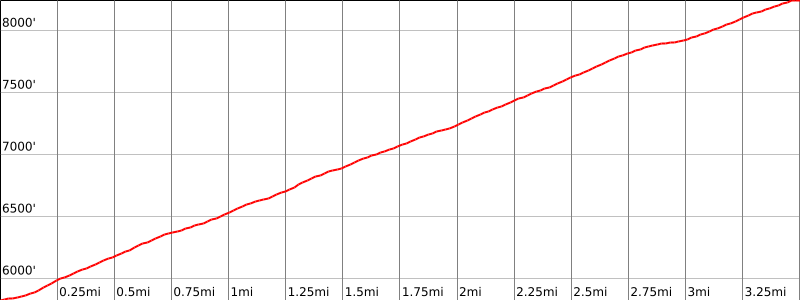
From the parking area (5800’+), hike up the Windy Gap Trail to Windy Gap.
At Windy Gap take the upper trail to the west (the lower trail is the PCT).
At the first trail junction turn to the left following sign reading “Islip”.
At the second trail junction (Big Cienega Trail from the south) turn right and continue to summit.

Route Notes

Note: Entrance fee may be required for Crystal Lake area.

Printable Route

Road Type

Paved

Google Maps Link to Trailhead 

Additional Peak Information

Alternate route: It is also possible to hike up the Big Cienega Trail. Start on the Windy Gap Trail but where it crosses road 3N07 for the second time, turn left (northwest) on the Big Cienega Trail that climbs to the southwest ridge of Islip and meets the main route as mentioned above.

Historical note: Mount Islip is named for George Islip, who settled about 1880 on land now included in Angeles National Forest (now known as Orchard Camp). There was at one time a fire lookout on the summit. The hut foundation on the summit is a remnant.

Nearby Peaks

Backus Peak
Owens Peak
Black Mountain #5
Morris Peak

External Links

mountain 1

Peakbagger.com

Click Here

ranger-tower 1

Nearest ranger station

Click Here

g311

NOAA Forecast

Click Here

worldwide 1

Google Earth

Click Here

Photo Gallery