Peak Name
Elevation
feet
Status
Region
Range
Nearby peaks
Location
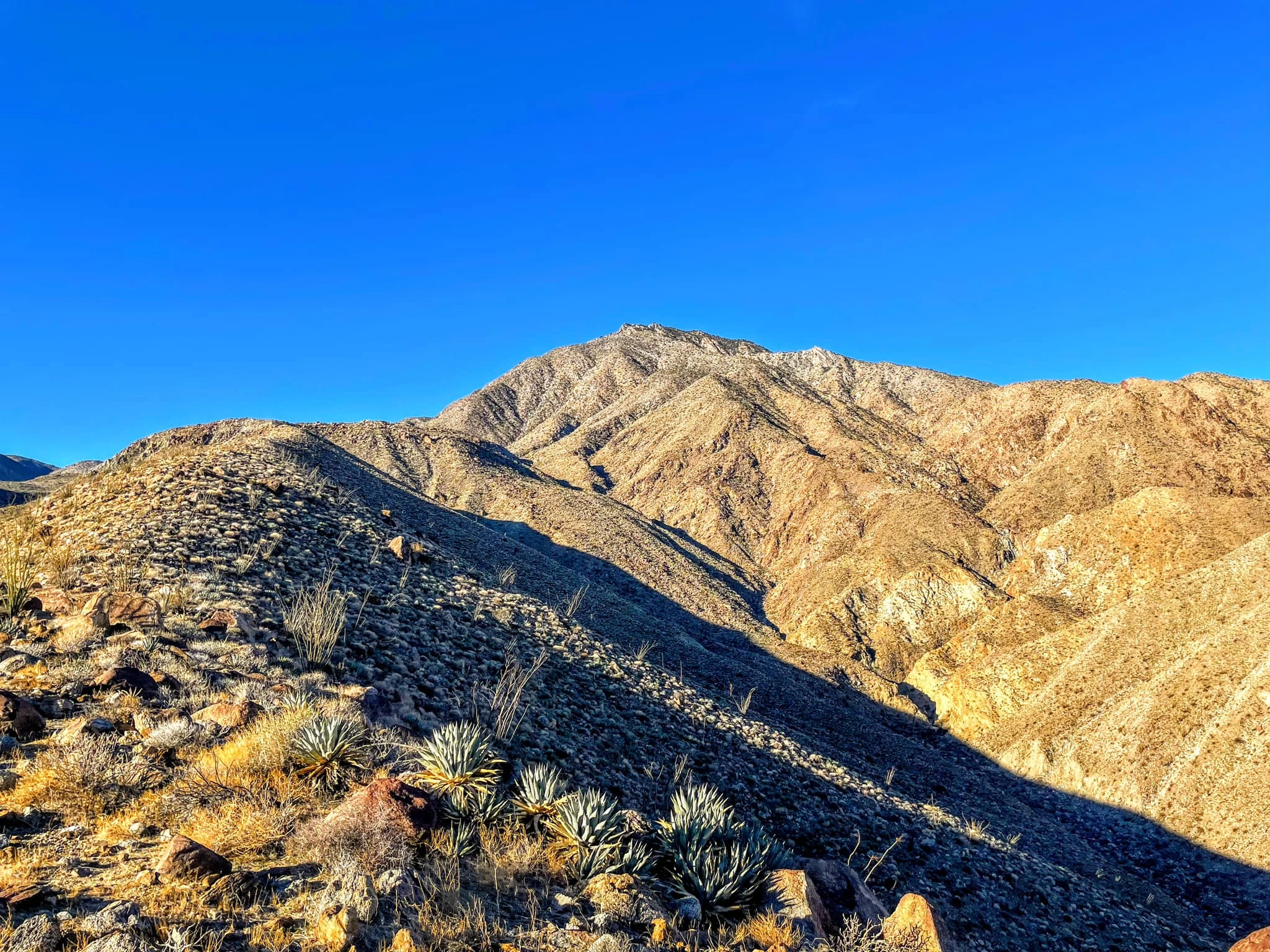
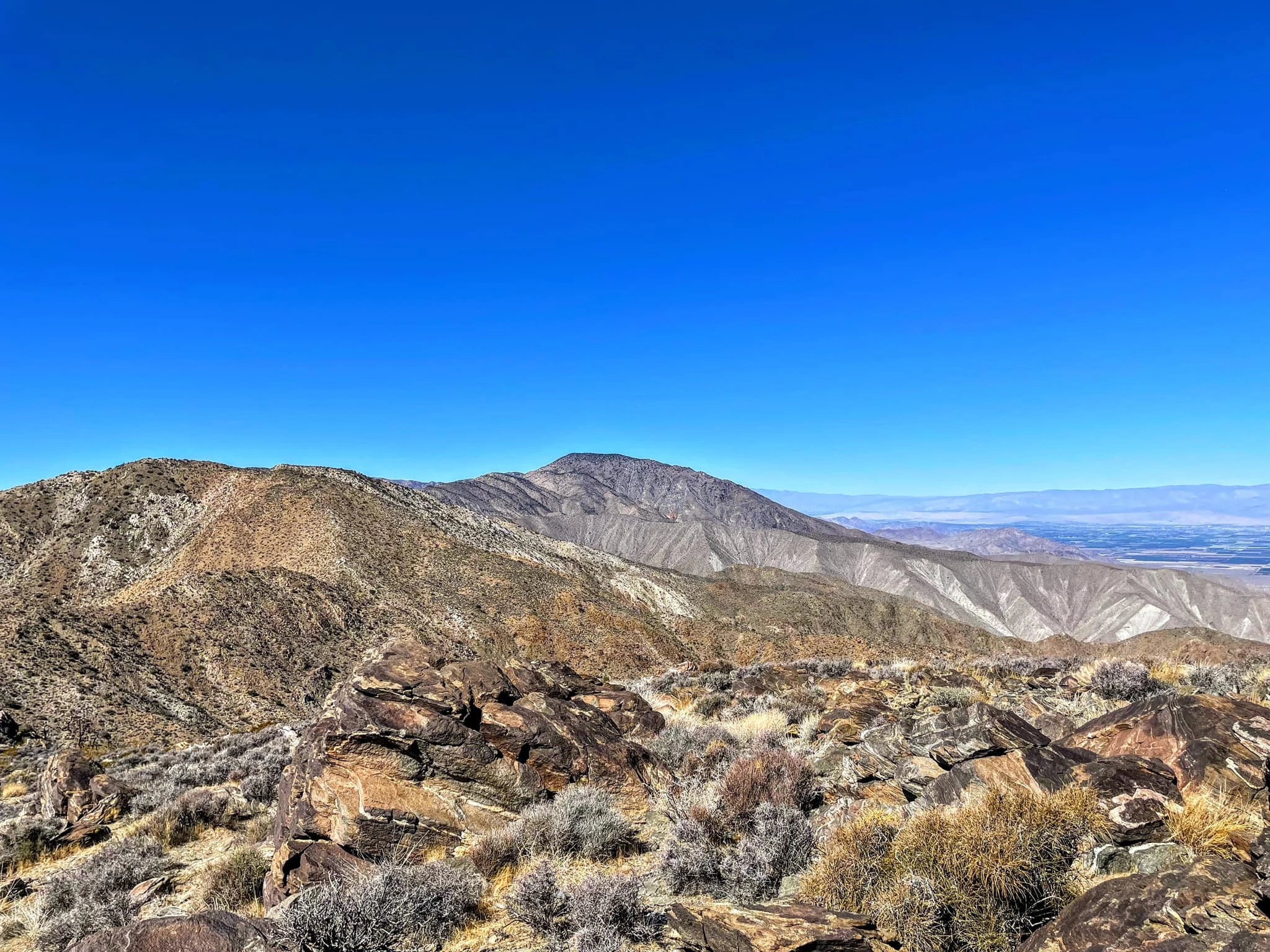
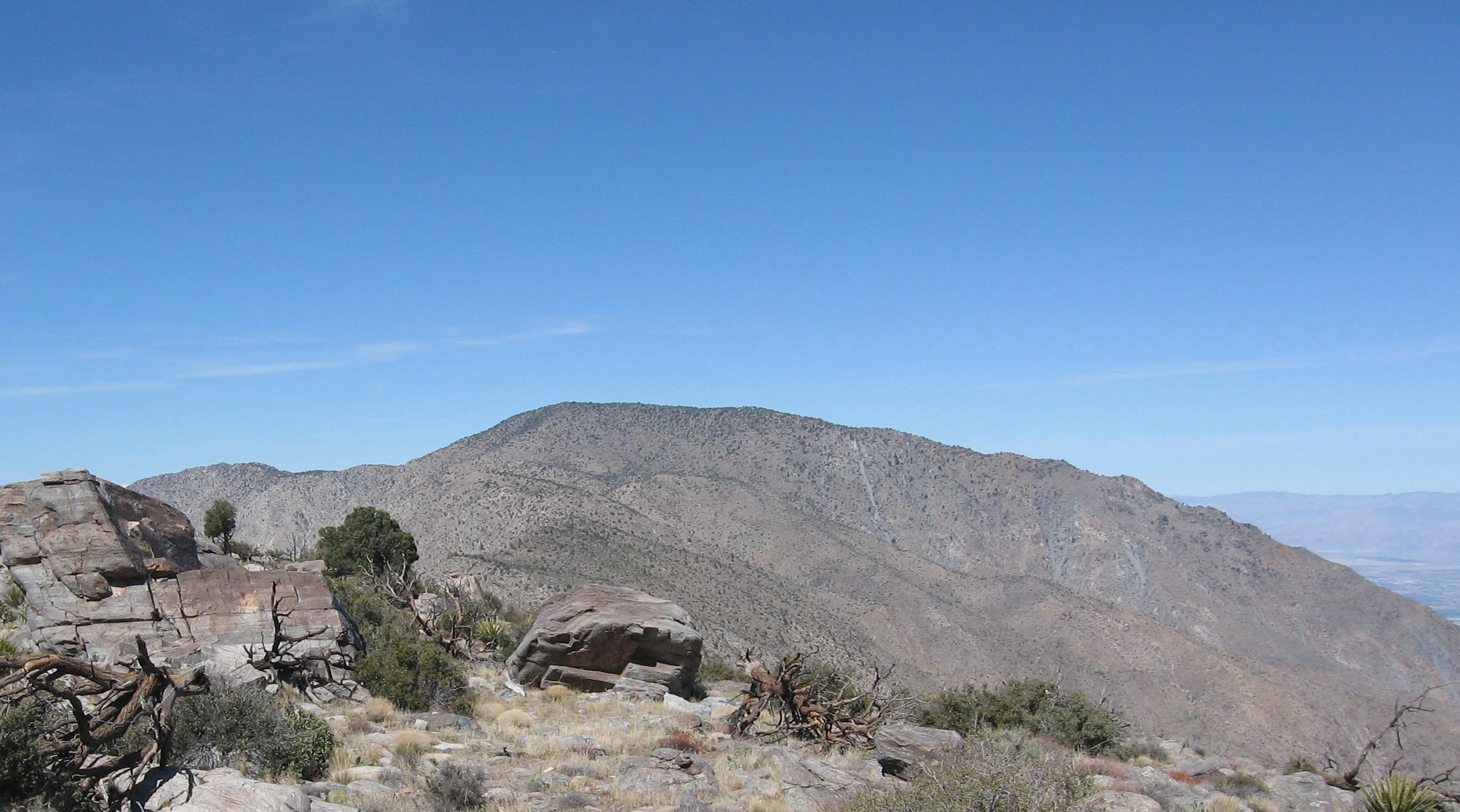
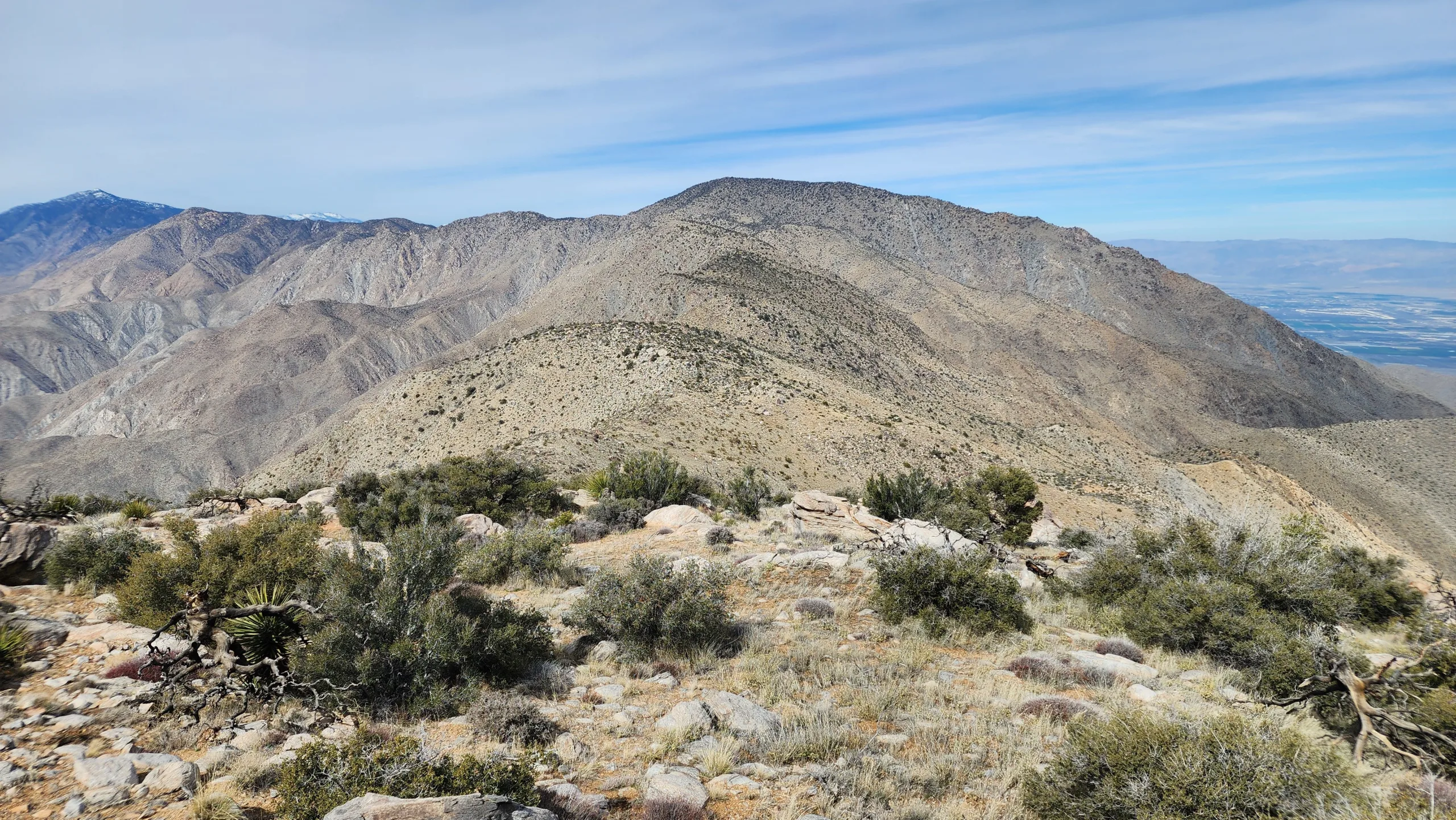
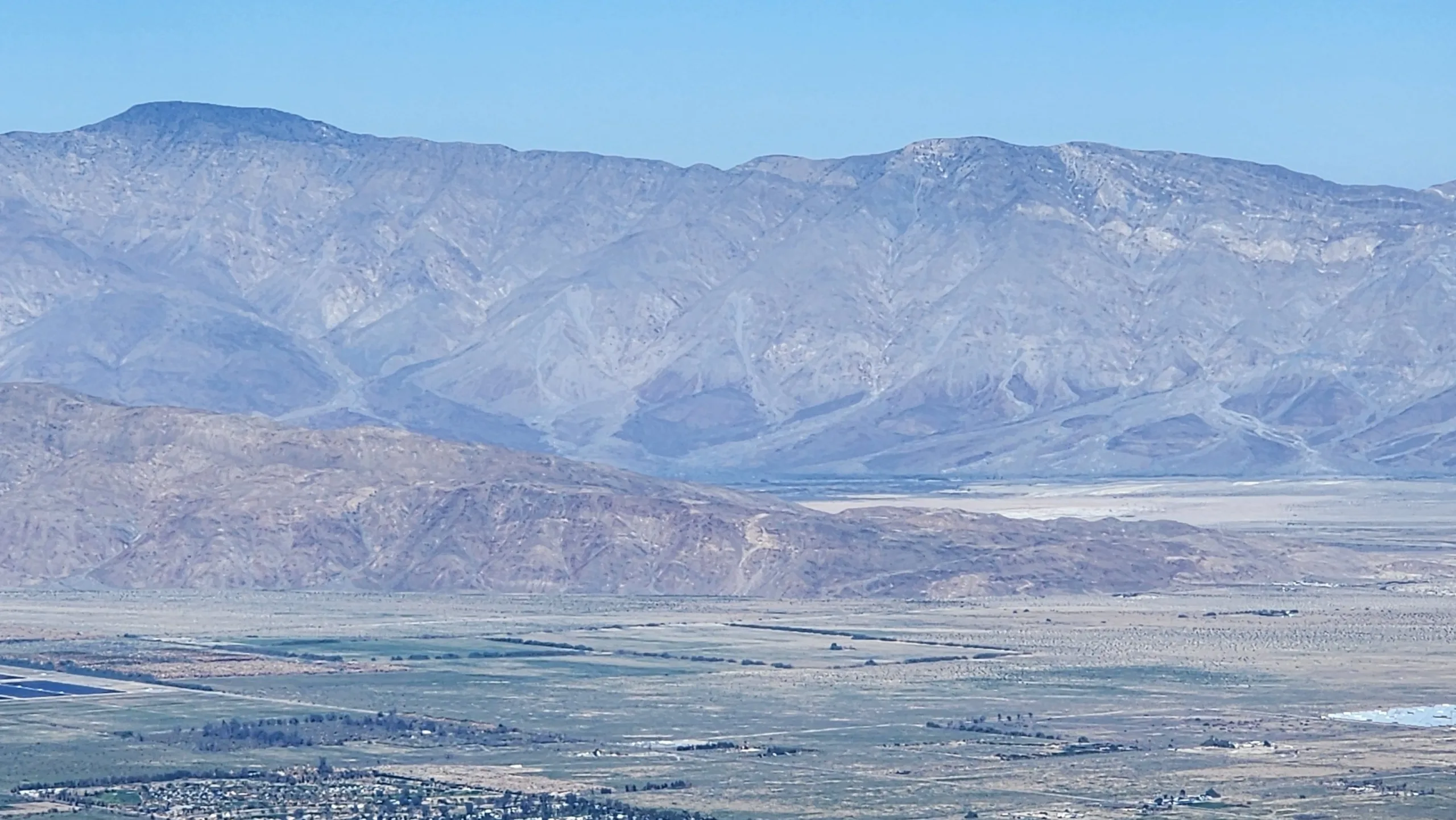
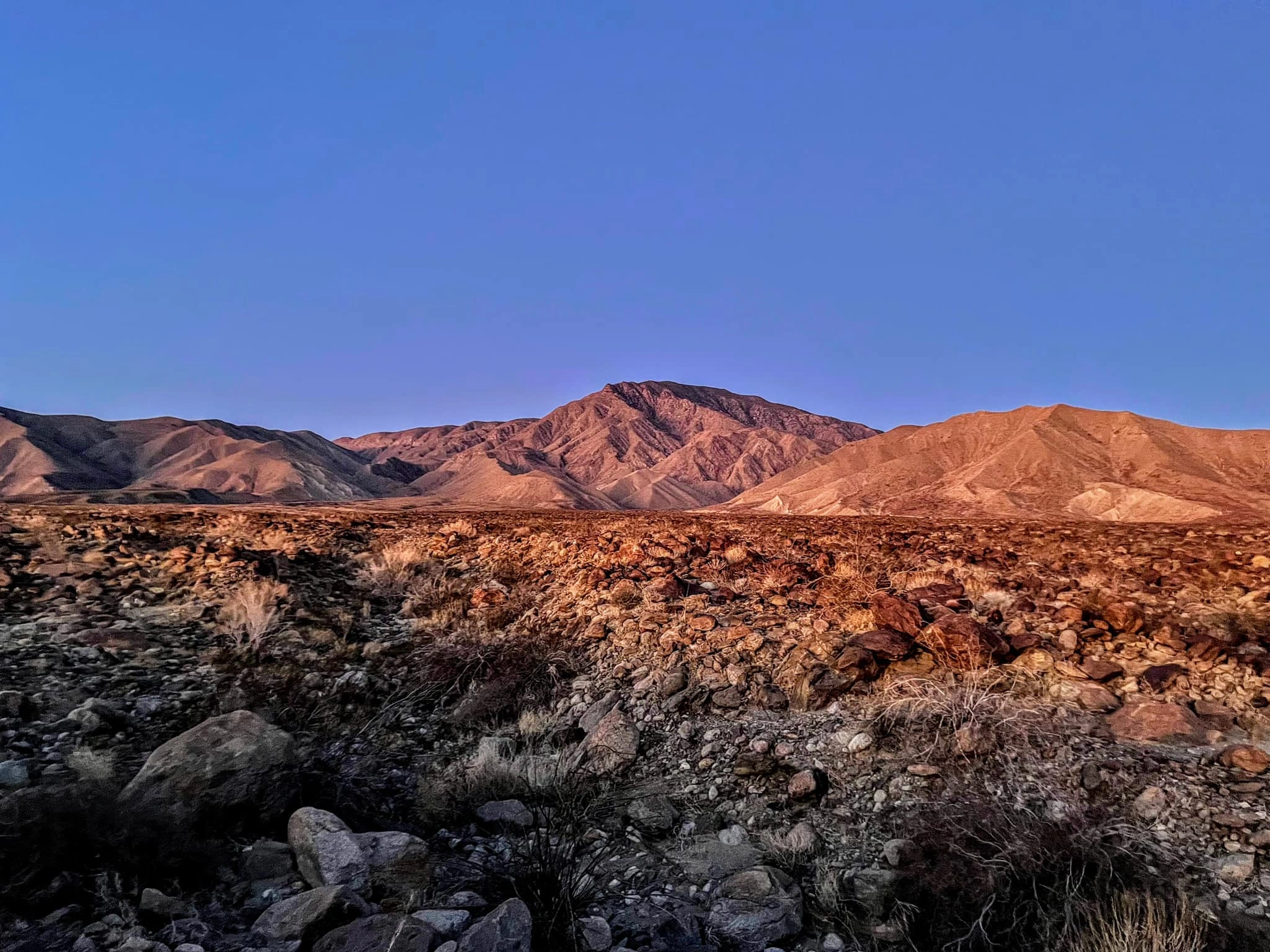
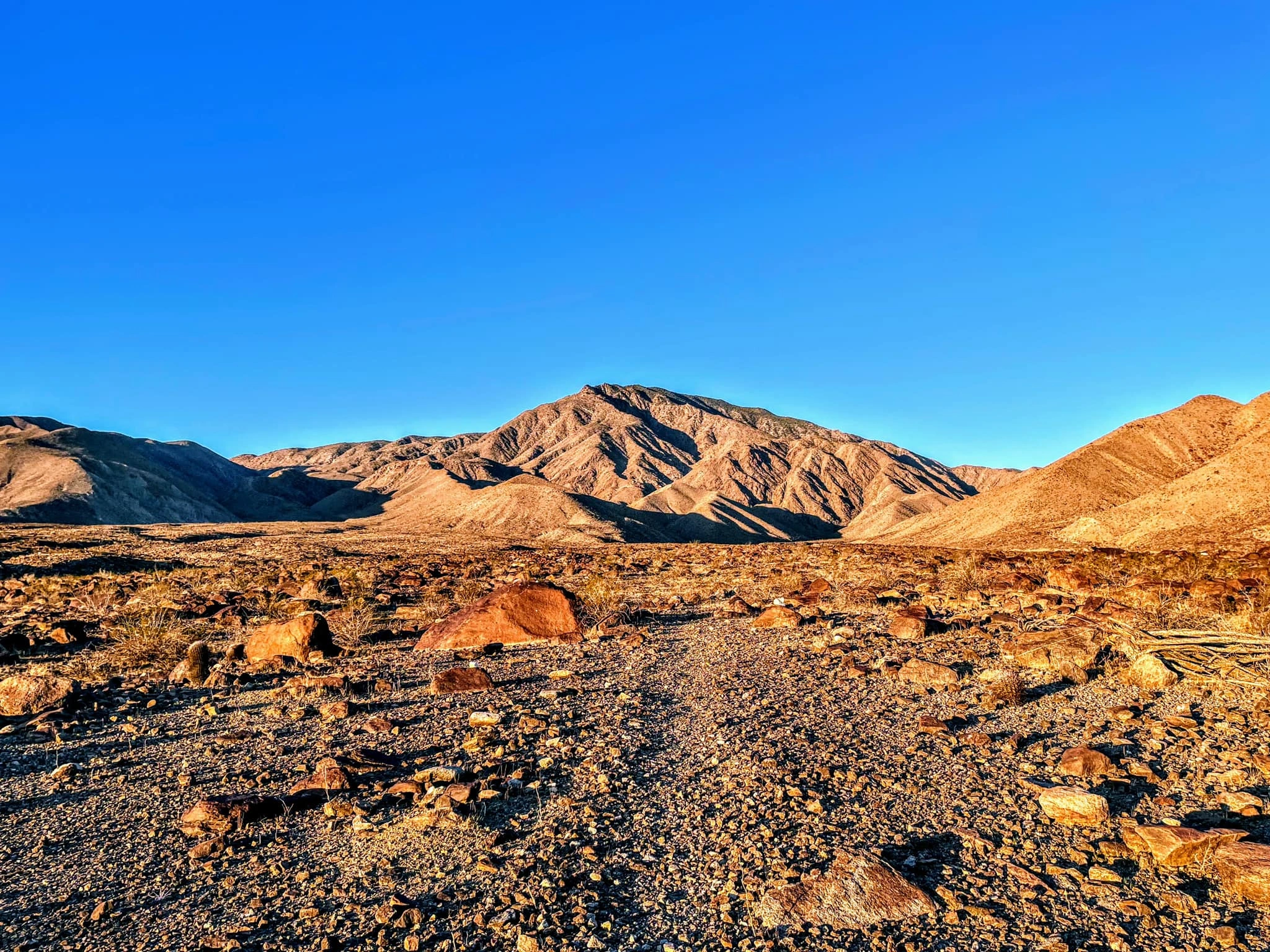
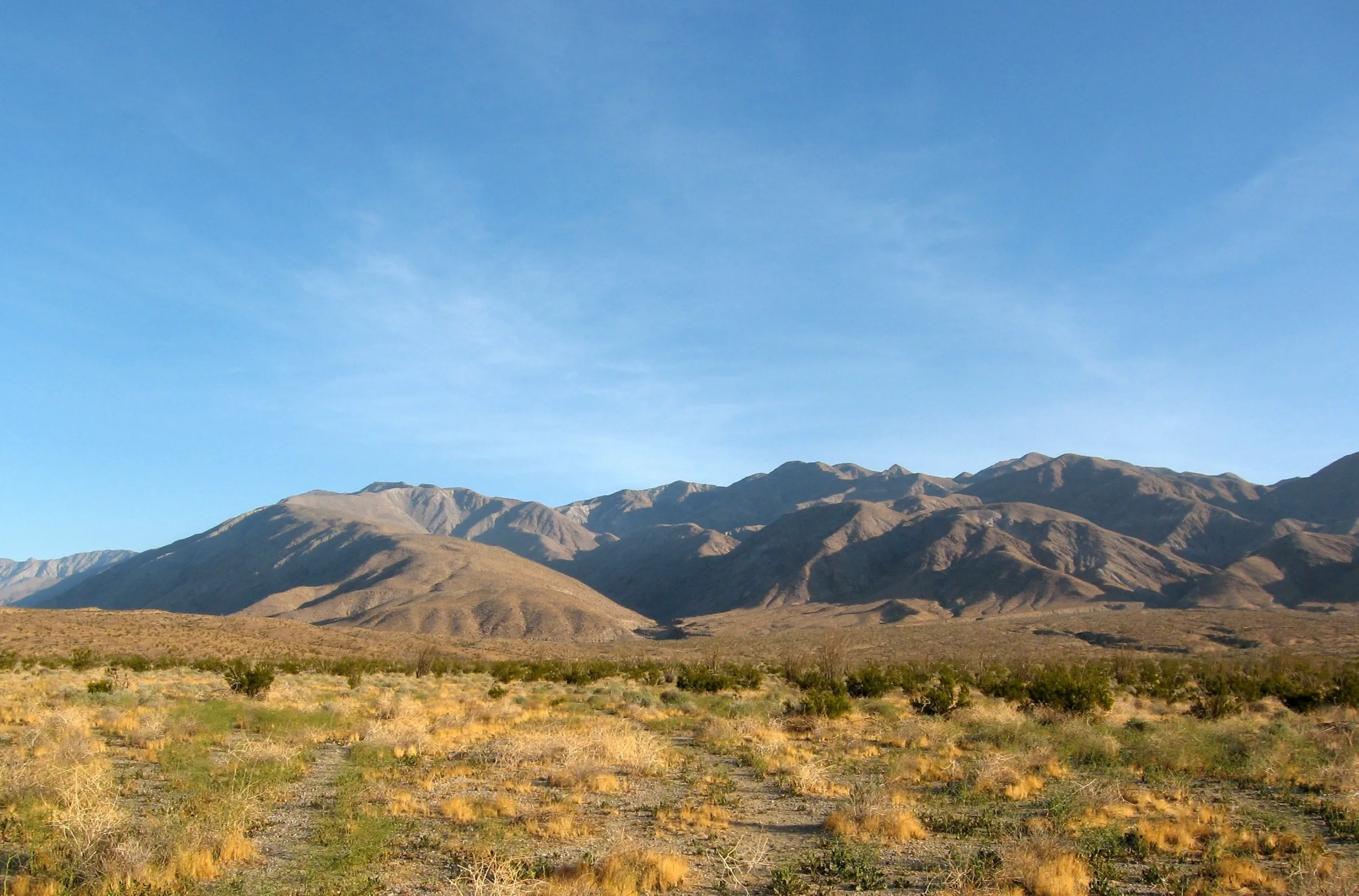
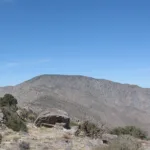
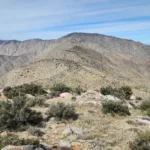
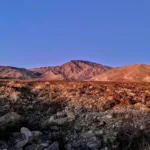
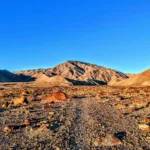
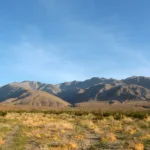
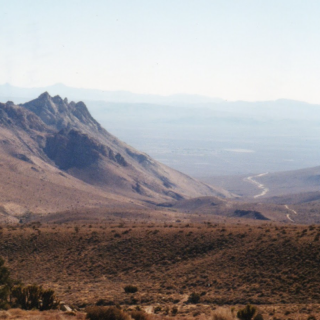
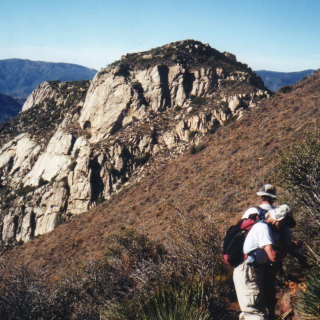
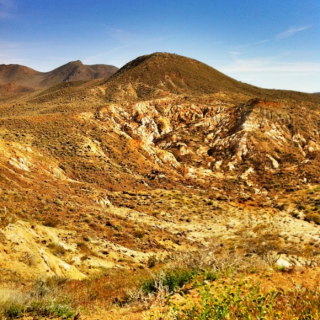
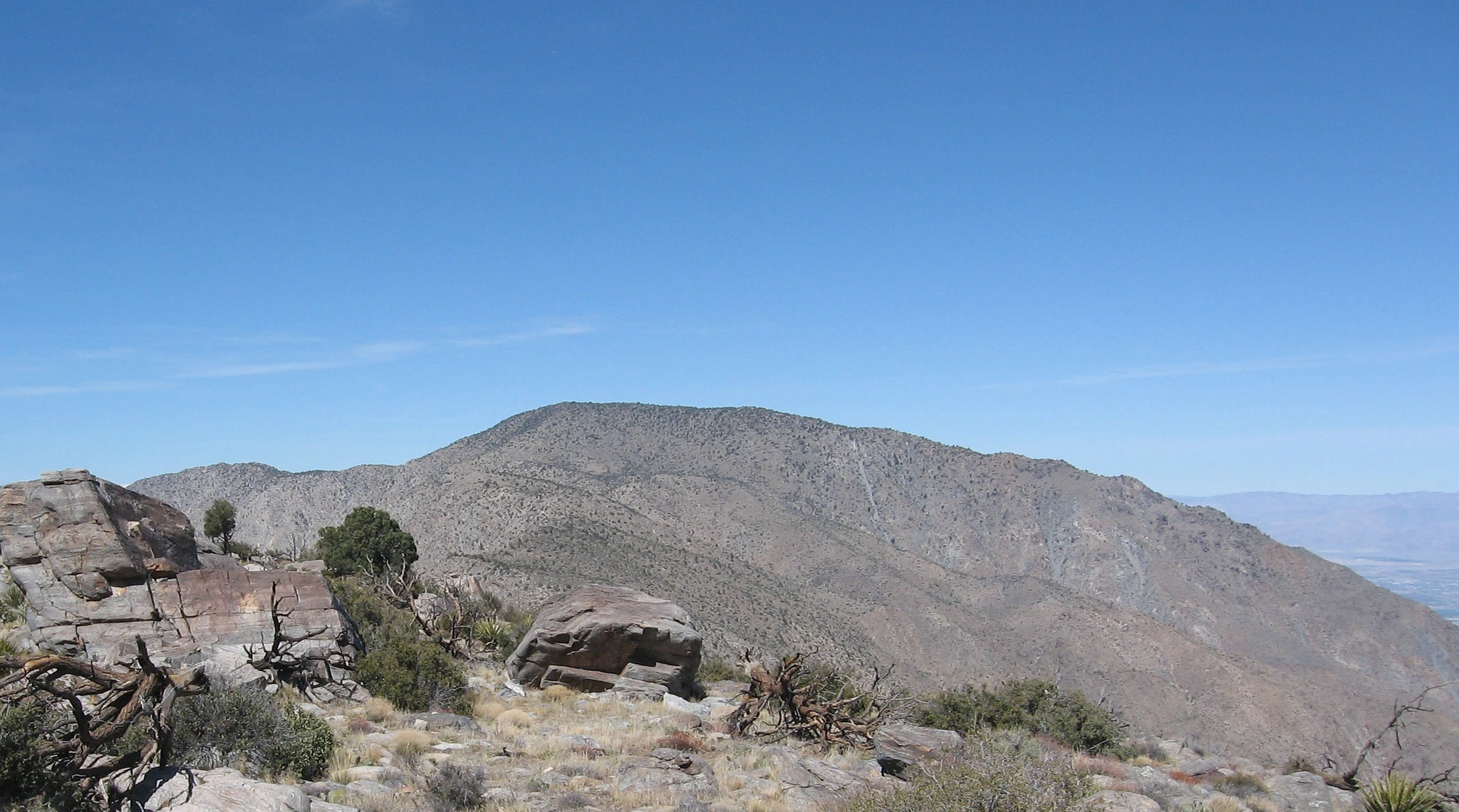
The complex of peaks containing Villager, Rosa Point and Rabbit rises up dramatically from the desert floor and beckons the passerby to climb them. The highest of these is “Big Rabbit”, the most difficult hike on the HPS list, a test piece for HPS hikers. Rabbit and Rosa Point are also on the Desert Peaks Section list. Among the rewards of navigating this spectacular ridge: views of the dramatic drops to Clark Dry Lake, the often snow covered Toro Peak, the expanse of the Salton Sea, and the vast badlands of Anza Borrego State Park which are awe inspiring. On a clear day, one can see as far as Arizona and Mexico; but, be sure to keep your eye on the more immediate desert terrain, with its loose shale and variety of thorny cacti.
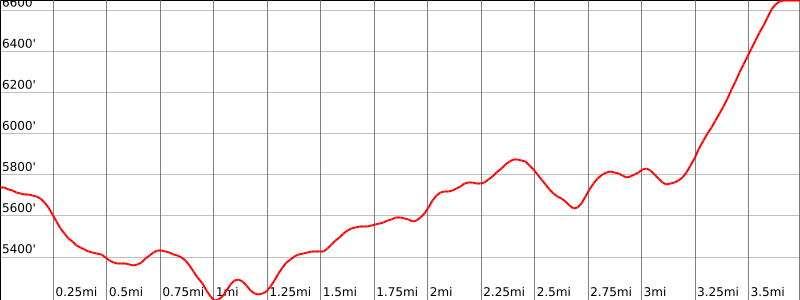
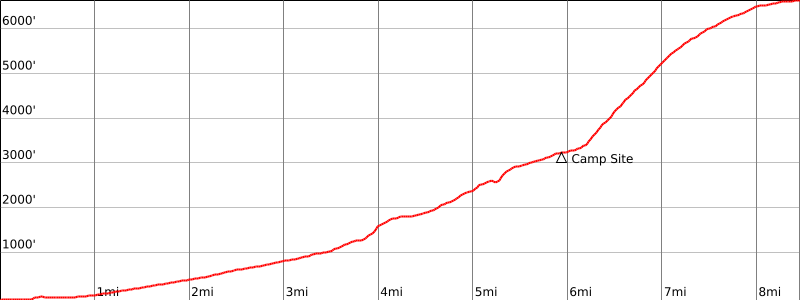
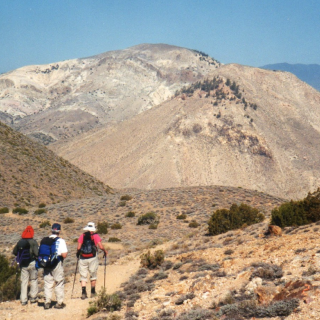
Route 1 begins the same route as Villager Peak Route 1, then continues on to Rabbit. The route follows a mixture of use trails that loosely follow the spine all the way up. The hike begins with a flat walk across the approach terrain before crossing a boulder field and a sand wash. The hike then climbs quickly and it stays to the east of the cliff edge until the 3,800′ “plateau”. The trail closes in on the cliff a few times, but never to the point of feeling dangerous. The ocotillo, yucca and cholla cacti are everywhere, so maintaining a single focus on the hike is wise. As you approach the false peaks in the last 3 miles, there are options to go up and over them or stay east along a variety of use trails. There are rock cairns marking much of the trail, but certainly not all. The final approach to Villager is not particularly clear where the top is, but if you keep heading up (or use your GPS app), you will find it. From Villager the trail traverses another 3.75 miles with numerous ups and downs to the summit of Rabbit. The reward is an incredible view of San Jacinto, San Gorgonio, Toro Peak and of course Villager Peak, along with a view down to Clark Dry Lake and all of Anza Borrego below. The descent is along the same route and the trail is easier to see as you return to your vehicles. There are several false ridge, however, but if you keep the desert in view on your right you will have no problem. The final portion to the desert floor requires careful route finding when done in the dark, which you will likely, be so don’t forget the headlamp and fresh batteries. This peak is also done as a backpacking trip, camping at the peak of Villager. There are good dispersed campsites but there is no water source, so plan accordingly. Rabbit is best done between October and March, and should not be attempted during the heat of summer.
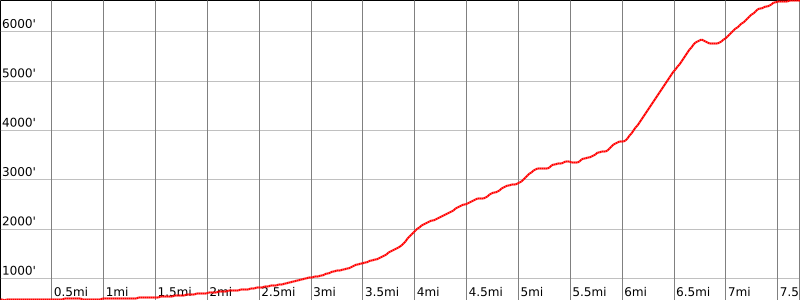
Route 2 begins from orchards southeast of Indio with a shorter, but equally difficult hike. Route 3 takes a shorter route up from Clark Dry Lake, but expect this route to be more exposed and even steeper than the other options to the top. Rabbit is one of the most strenuous hikes in SoCal.
Maps generated from CalTopo.com, reproduced with permission
Driving route
See the Villager Peak guide.
Hiking route
From the summit of Villager Peak, hike northwest and north along the ridge over numerous bumps, including 5859′, to the summit of Rabbit Peak.
The register is on a rocky outcrop near the west edge of the plateau.
Total distance from start of the Villager Peak trailhead to Rabbit is 21 miles and 8400′ gain.
Driving route
Drive east on I-10 to Dillon Road in Indio.
Go south on Dillon Road about a mile to the intersection with SR 111 and SR 86. Turn left.
Drive southeast on SR 86 for about 15.4 miles to the junction with Avenue 74 (north-south) and Fillmore Road (north-south). Turn right on southbound Fillmore Road.
Go 2.5 miles to its end at a levee. Park here.
Hiking route
From the parking area (-80′), hike south over the levee and down into the wash below it.
Turn right and go 1/2 mile west along the wash to where a road crosses it.
Turn south on the road and go about 100 yards, past a lemon grove on the right, to another old levee (shown on the topo).
Turn right (west) and go past about 1/4 mile of lemon trees on the right to the open desert and a jeep road that is the start of the route across the desert. Follow this road southwest about 1/2 mile to the beginning of a well-ducked trail across the desert. The start of the trail is hard to find, but should be located as it will save much time crossing the desert. It leads to the end of the ridge between Sheep and Barton Canyons, visible directly southwest of the parking area. (Many of the ducks are white rock, for improved visibility at night.)
Follow the trail to the end of the ridge, 3 1/2 miles, 1000′ gain. Note: The hike often begins (and ends) in the darkness, so the initial part of the route is easily lost. There is still hope: from the west edge of the lemon grove follow bearing 230° to the 1000′ contour. It should be light by now, and you should find yourself below the southwest trending ridge, with Alamo Canyon on your right. Continue as follows:
The trail (not shown on the topo) goes to the left up the ridge, swings around to the southeast side of the ridge, and comes out on top of the ridge at 1840’+. There is space for camping here, but no water.
Continue southwest along the top of the ridge past a saddle (2520’+) and up to a broad plateau (6 miles; 3235′), where there again is camping space but no water.
From this plateau, continue up the ridge, around a number of big rock outcrops, to the summit plateau. The route is ducked much of the way.
The register is on a rocky outcrop near the west edge of the plateau.
Route Notes
Note: For a return in darkness, it may be wise for the beginning navigator to mark the starting location with a GPS. The lemon grove is extensive, so it is not a good aiming point.
Driving route
Drive east on I-10 to the 86S expressway in Indio.
Drive south toward El Centro on SR 86S Expressway for about 35.5 miles to Salton City.
Turn west on the Borrego-Salton Seaway (S22).
Continue 14.8 miles to a parking area on the right and a dirt road on the left. This is the parking area for Villager Peak and Rosa Point.
Continue west 7.2 miles on S22 to a to a dirt road on the right (north). This is 1/2 mile east of the Peg Leg Smith historical marker.
Drive northeast across Clark Dry Lake to the vicinity of Clark Well (dry), where the road is blocked by sand dunes. Park here.
Hiking route
From the parking area, hike north-northeast across the desert about 3 miles towards a ridge west of a canyon coming from the direction of the peak.
Climb this ridge, passing elevation 2719′ on the east. The ridge swings northeast to the head of the canyon.
Descend a little to a saddle at 3300′, and then climb steeply 2000′ east-northeast up a ridge to the main ridge at 5800′.
Then turn north to climb the south ridge of Rabbit Peak.
This route is open year-round.
Additional Peak Information
Rabbit Peak lies within the Santa Rosa Wilderness Area. A permit is not required to day hike to the peak.
Rabbit Peak is also a Desert Peaks Section (DPS) Emblem Peak.


You must be logged in to upload images.