Peak Name
Elevation
feet
Status
Region
Range
Nearby peaks
Location
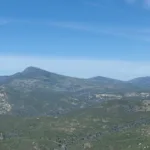
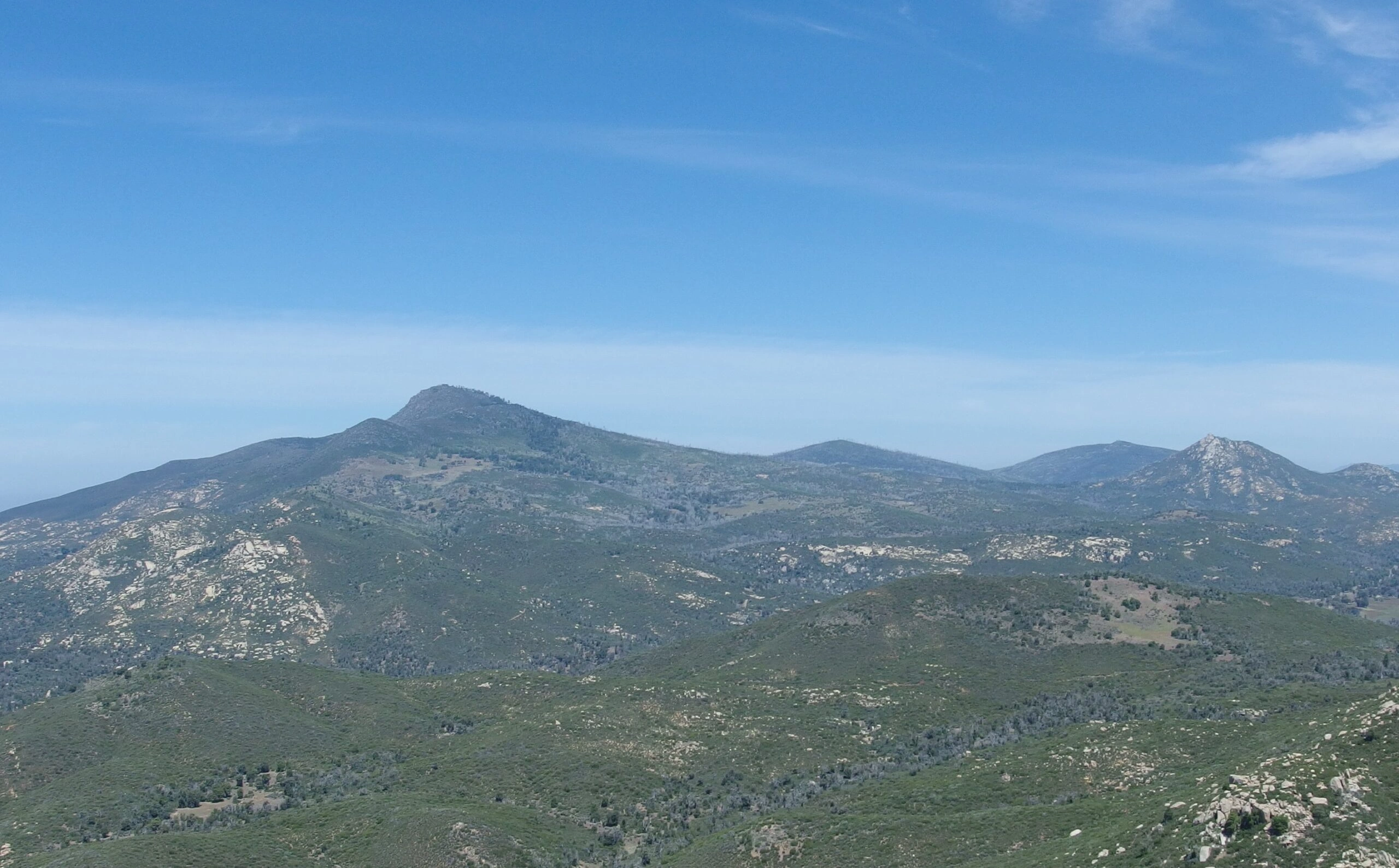
One of the original 1946 HPS Peak List summits, Cuyamaca Peak overlooks the lake and state park (Rancho Cuyamaca) that share its name. The native Diegueño Indians called the peak kwe-ah-mac, roughly meaning “the place where it rains.” This unusual rainfall led to the surrounding area becoming a ranching hot spot when settlers claimed the native lands and hispanicized the name to “Cuyamaca.” After passing hands several times since the 1800s (including to Agustín Olvera, namesake of Olvera street in Los Angeles) it eventually transitioned from ranching to gold mining to recreation. In 1933, Ralph Dyar sold it at a steep discount to protect it forever as Rancho Cuyamaca State Park.
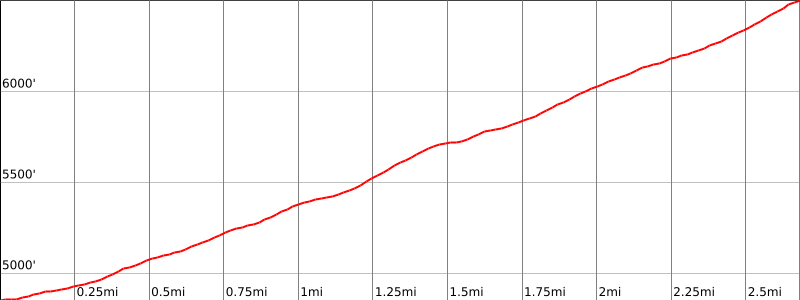
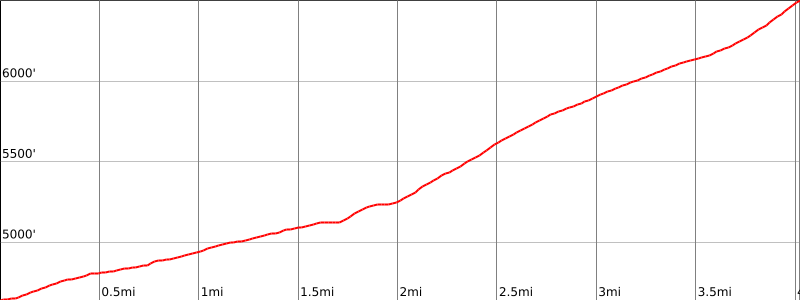
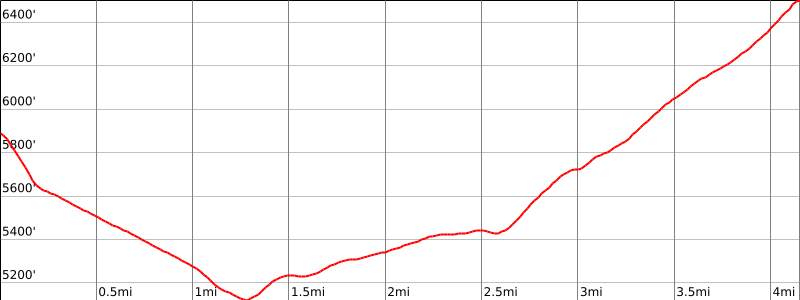
At 6512 feet, Cuyamaca Peak is the second-highest point in San Diego County but still offers moderate day hikes through oak and conifer forests, and pretty creek-crossed meadows. The views from the summit are wonderful, and can extend 100 miles on a clear day. HPS Route 1 starts in Paso Picacho Park and heads 6 miles and 1600′ up a road west all the way to the summit. Route 2 takes hikers from the Camp Hual-Cu-Cuish parking lot and winds along the north side of the peak on the Conejos Trail until eventually meeting the paved road from Route 1 near the summit. Route 2 has the same distance and mileage as 1 but makes for a better approach if adding other peaks to the day such as Middle Peak. Route 3 is the most direct route from Middle Peak, taking trail and fire road to join Route 1. An alternate to Route 3 is to take the road around the west side of Middle to join Route 2 or Route 3.
Maps generated from CalTopo.com, reproduced with permission
Driving route
Take I-5 south to SR 78 in San Diego County.
Go east on SR 78 through Escondido to the junction with SR 79 just past the town of Julian. Turn right (south) on SR 79.
Go south on SR 79 for 9 miles to the Cuyamaca Dam.
Continue 2.7 miles to the entrance to Paso Picacho Park on the right. Park in the day use parking lot. There is a day use fee for the park. Parking along the highway is not permitted near the park.
Hiking route
From the parking area (4870′), hike southwest up the campground road to a point between campsites 25 and 26 where a trail starts.
Follow this trail a short distance to where it meets a paved road.
Turn right (west) on this road and follow it up to the summit.
Driving route
Take I-5 south to SR 78 in San Diego County.
Go east on SR 78 through Escondido to the junction with SR 79 just past the town of Julian. Turn right (south) on SR 79.
Go south on SR 79 for 9 miles to the Cuyamaca Dam.
Continue 1.1 miles to a road on the right side (west) with a sign “Camp Hual-Cu-Cuish”. Park on the left (east) side of the highway.
Hiking route
From the parking area (4670′), cross the highway and hike west up the dirt road to a fork.
Keep right at this fork and pass a gate and continue on to another fork with a barrier on the right fork.
Keep straight and follow this road (signed “Middle Pk. Fire Road”) to a saddle where five roads come together.
The road going south is marked by a post reading “Azalea Spring”. Follow this road about 1/4 mile to a junction with the Conejos Trail on the right, with a post reading “Cuyamaca Fire Rd.”.
Follow this trail to a paved road. This is the road described in Route 1.
Turn right and follow it to the summit.
Route Notes
Driving route
See driving directions for Middle Peak.
Hiking route
Cuyamaca Peak can be climbed from Middle Peak. This makes a loop trip possible. From Middle Peak, descend directly east to a fire road. Turn left and follow it south to a saddle where five roads meet. This is the same saddle described in Route 2. Proceed from here using Route 2.
Additional Peak Information
Historical note: Cuyamaca Rancho State Park was created in 1933 when Mr. and Mrs. Ralph M. Dyar donated 1/2 the property to the State. Gold worth $2 million was produced on the property before the mine (on the northeast slope of Stonewall Peak) closed in 1892.
Natural history note: This area is one of our most notable native oak areas. November is a great month to enjoy them.


You must be logged in to upload images.