• HOME
  • HIKE WITH US
    • Peak Guides
    • Outings
    • HIKE FINDER
    • Emblems
    • Archives
  • ABOUT
    • About Us
    • Newsletter
    • FAQ
  • CONNECT
    • Membership
    • Merchandise
    • Subscribe
    • Follow Us on Facebook
    • Sierra Club
    • Donate
    • Contact US
LOG IN
LOG IN
  • HOME
  • HIKE WITH US
    • Peak Guides
    • Outings
    • HIKE FINDER
    • Emblems
    • Archives
  • ABOUT
    • About Us
    • Newsletter
    • FAQ
  • CONNECT
    • Membership
    • Merchandise
    • Subscribe
    • Follow Us on Facebook
    • Sierra Club
    • Donate
    • Contact US

4G Grouse Mountain

Location: Kern County, California

The exact source of this name remains unknown, but Jim Blakley believes it goes back to before the turn of the century.

Gudde notes that there are about 30 features named after the grouse elsewhere in the California. This is one of the southernmost redoubts of this bird and is the only use of this name in southerN California.

The peak name commemorates the once prevalent Sierra Grouse (a.k.a. Blue, or Sooty Grouse) (Dendragapus obscurus). USFS Resource Biologist Patty Bates of the Chuchupate R.D. notes that they are very scarce but that a few were seen as recently as a few years ago. Male coloring is dusky or bluish gray overall with a light gray terminal band on a dark square tipped tail, whereas females and immature birds are mottled brown with a dark tail. Variously described as shaped like a crow or a chicken hen, mature birds reach lengths of 15″ to 21″. The most intriguing quality of a male grouse is its song which is a series deep hoots achieved by inflating and deflating sound-magnifying pouches on either side of its neck. This “whoop … whoop” sound can be especially loud during mating season.

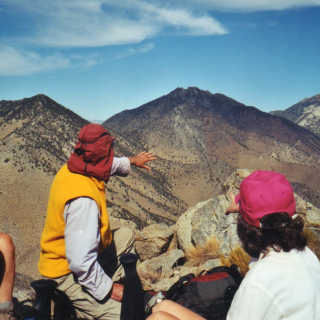
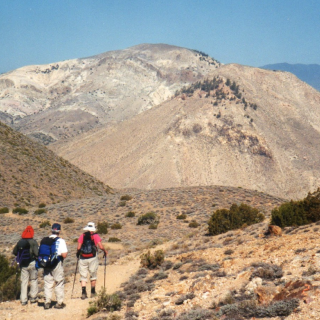
Weldon F. Heald “peak-grabbed” his Hundredth Peak, with Jack Bascom here in June, 1946. It was here that he resolved to transform his “100 Peaks Game” into a Sierra Club entity because “atop-Grouse Mountain … it struck me that [hiking] was the best way to gain a greater appreciation of Southern ranges, as well as an accurate knowledge of their peaks, valleys, canyons and trails”.

Name first appears on USFS Los Padres National Forest map (1938).

Peak was on the original 1946 HPS Peak List.

Donate to HPS

Sign up to post your trip reports, photos and comments, and to receive occasional updates about news and events

Sign Up
HPS Official Logo round without shading small 1

Our club offers a variety of hikes suitable for all levels, from beginners to seasoned trekkers. Discover easy, moderate, or challenging trails and enjoy the camaraderie of fellow hikers while exploring stunning landscapes.

Peaks

  • Peak List
  • Outings
  • Emblems
  • Awards
  • Archives
  • Peak List
  • Outings
  • Emblems
  • Awards
  • Archives

About

  • About Us
  • Newsletter
  • Bylaws
  • Privacy Policy
  • Join the Sierra Club
  • About Us
  • Newsletter
  • Bylaws
  • Privacy Policy
  • Join the Sierra Club

Connect

  • Membership
  • Merchandise
  • Subscribe
  • Contact Us
  • Follow us on Facebook
  • Membership
  • Merchandise
  • Subscribe
  • Contact Us
  • Follow us on Facebook

© 2026 Hundred Peaks. All Right Reserved – Design by

Facebook-f Instagram Twitter Whatsapp